
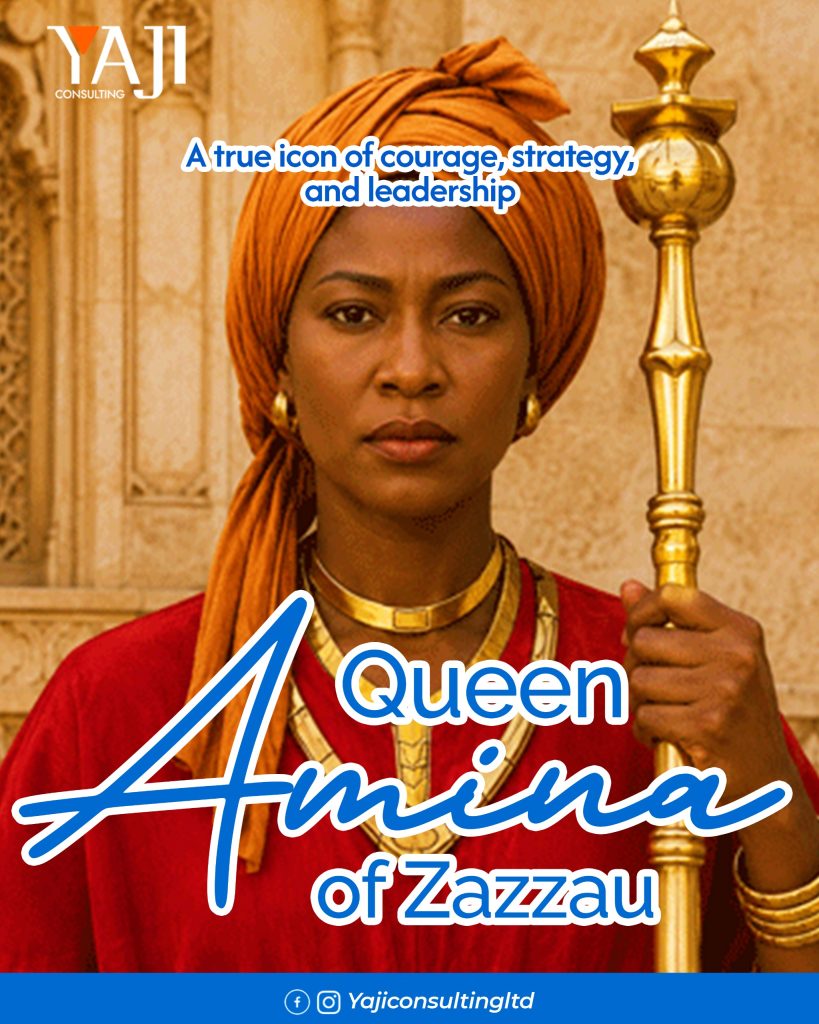
History remembers extraordinary leaders not only for the territories they conquered but also for the legacy they left behind. Among them, Queen Amina of Zazzau stands out as one of Africa’s most celebrated historical figures. As the ruler of the Zazzau Kingdom in the 16th century, she demonstrated exceptional courage, military brilliance, and visionary leadership. Today, her story continues to inspire generations across Nigeria and beyond, proving that leadership knows no gender.
Who Was Queen Amina?
Queen Amina was born into the royal family of the Zazzau Kingdom, located in present-day Zaria, Kaduna State, Nigeria. From an early age, she displayed remarkable courage and an exceptional understanding of warfare. Instead of remaining within the palace, she trained alongside soldiers, mastering horseback riding, swordsmanship, and military tactics. As a result, she developed the skills that would later define her reign. Eventually, these experiences prepared her to become one of Africa’s greatest warrior queens.
How Queen Amina of Zazzau Expanded the Zazzau Kingdom
Around 1576, Queen Amina ascended the throne of Zazzau. Rather than maintaining the kingdom’s existing boundaries, she embarked on an ambitious military campaign that lasted approximately 34 years. Consequently, the Zazzau Kingdom expanded far beyond its original territory. In addition, her victories secured important trade routes, strengthening commerce throughout the region. By the end of her reign, Zazzau had become one of the most influential Hausa kingdoms in West Africa.
Queen Amina of Zazzau and the Famous Amina Walls
Queen Amina is widely regarded as one of Africa’s greatest military leaders. Not only did she command her armies, but she also fought alongside them on the battlefield. Furthermore, her strategic planning earned her respect from allies and rivals alike. One of her most significant contributions was the construction of defensive walls around conquered cities. These fortifications, now known as “Amina’s Walls,” helped protect settlements and reinforce the kingdom’s authority. Although many of the original walls have disappeared, they remain a lasting symbol of her military innovation.
Leadership Beyond the Battlefield
Queen Amina’s achievements extended far beyond warfare. In fact, her leadership strengthened the kingdom’s economy by securing vital trade routes. Moreover, her campaigns encouraged cultural exchange and regional cooperation. As a leader, she embodied vision, resilience, strategic thinking, and determination. Therefore, her legacy continues to serve as a model for modern leadership.
Queen Amina’s Legacy Today
Centuries after her reign, Queen Amina remains one of Nigeria’s most celebrated historical icons. Today, her story is taught in schools, featured in books, celebrated through cultural festivals, and discussed in leadership forums. More importantly, she has become a powerful symbol of female leadership and African excellence. Because of her remarkable achievements, she continues to inspire young people to pursue greatness with courage and determination.https://museum.ng/
Conclusion
Queen Amina of Zazzau was more than a queen, she was a visionary leader, military strategist, and nation builder. Indeed, her remarkable achievements continue to inspire conversations about leadership, resilience, and cultural identity. As we celebrate her legacy, we also recognize the importance of preserving Northern Nigeria’s rich history. Ultimately, history is not only something we remember; it is something we carry forward and pass on to future generations.About Us